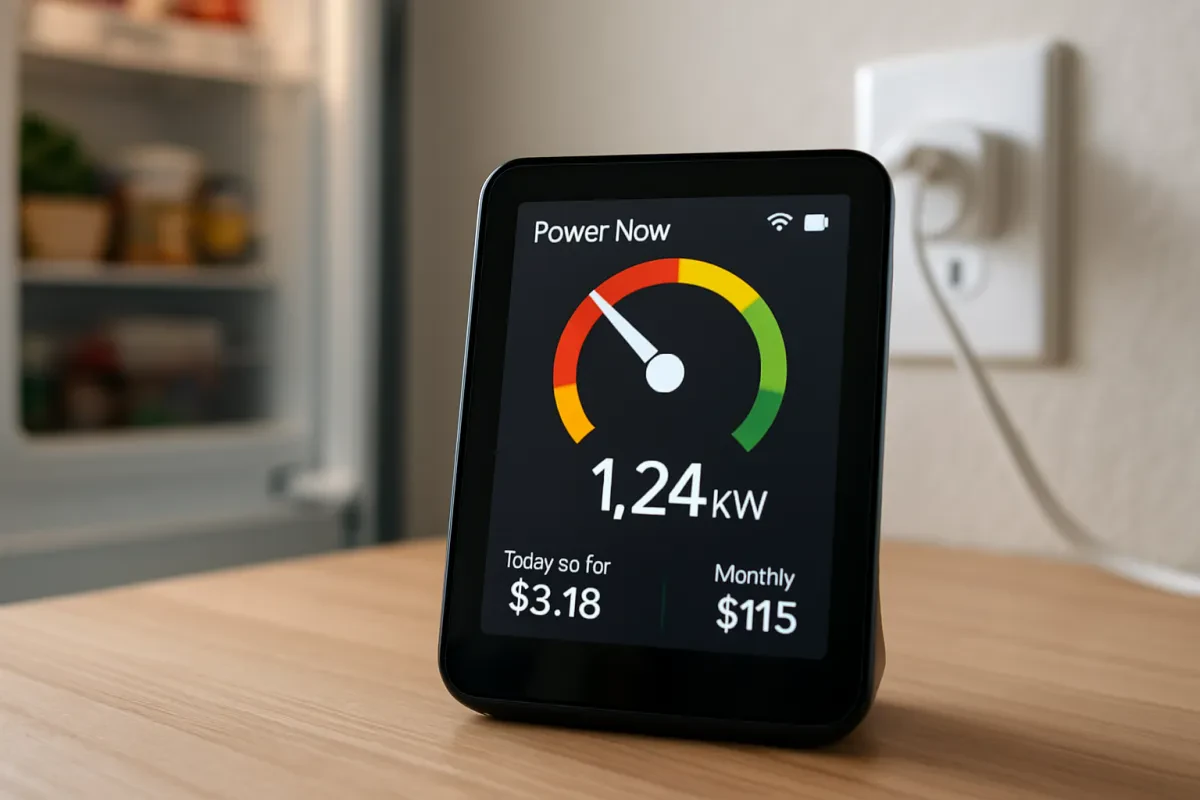
Home energy monitors are handy devices that help you keep an eye on your energy usage. They provide real-time data about how much electricity your home is consuming. This information can be super helpful if you're looking to cut down on your bills or simply want to understand your energy habits better.
Most home energy monitors are easy to install and connect to your Wi-Fi. Once you set them up, you can usually check your energy consumption through a smartphone app. This means you can see how much energy you use while you’re out and about. You might be surprised at how much energy certain appliances use when they're running!
One cool feature of many home energy monitors is the ability to track usage by individual devices. This makes it easier to spot energy hogs—those appliances that suck up a lot of power. Once you know what’s using the most energy, you can make smarter choices, like not running the dishwasher during peak hours or investing in more energy-efficient appliances.
Some models even have alerts that can notify you if your usage spikes unexpectedly. This can save you from nasty surprises on your energy bill at the end of the month. With options ranging from basic models to those equipped with advanced features, you can choose a home energy monitor that fits your needs and budget.
Understanding Energy Consumption Patterns
When you start using home energy monitors, you might spot some surprising things. Maybe that old fridge is guzzling electricity or your gaming console is always running, even when you're not playing. You'll get a clearer picture of your energy hogs, which can help you make smarter decisions about when to use certain devices or if it’s time for an upgrade.
Besides showing you how much energy you're using, home energy monitors can also track your usage over time. This can help you identify patterns, like whether you use more energy during certain hours or seasons. You can adjust your habits accordingly, like running the dishwasher at night instead of during the day to save on peak energy rates.
However, keep in mind that home energy monitors aren’t perfect. Sometimes they might not account for energy lost in the wiring or fluctuations in voltage. It’s good to take their readings as a guide rather than an absolute measure. Still, they provide a great starting point for understanding how to cut back on energy and save some cash.
A practical note from the field:
Home energy monitors are best used as trend-spotting tools, not diagnostic instruments. They can highlight unusual usage patterns or changes over time, but they don’t replace proper electrical testing or appliance-level measurements. If something looks off, the next step is usually investigation — not assumptions.
Common Misconceptions About Energy Monitors
When it comes to home energy monitors, there are some myths that just won’t die. One common misconception is that they’re only for tech-savvy folks. Not true! These devices have become super user-friendly. While many systems are user-friendly, interpreting the data still takes time and context. Numbers alone don’t explain why something is happening. Most models boast intuitive apps that make it easy for anyone to track energy usage. You don't need a degree in engineering to understand how your home is consuming energy.
Another belief is that home energy monitors are costly and will break the bank. While some systems can be pricey, there are plenty of budget-friendly options that do a great job. Many monitors can be found at reasonable prices, and they often pay for themselves quickly by helping you cut down on your energy bills. Investing in one isn't just smart; it’s actually a money-saver in the long run.
People also think these monitors only tell you how much energy you're using, but that’s not the whole story. Sure, they track your consumption, but they also provide insights and suggestions for reducing waste. You can see which appliances are energy hogs and adjust your habits accordingly. This kind of information is a game-changer for anyone looking to go green and save cash.
Finally, some assume that home energy monitors require complicated installation. Many models are designed for easy setup, often just plugging into an outlet or connecting to your Wi-Fi. You can have one up and running in no time. So, don’t let the myths hold you back from making a smart investment in your home’s energy efficiency!
Choosing the Right Energy Monitor for You
Picking the right energy monitor can feel a bit overwhelming with so many options out there. But don’t worry! Let’s break it down together. First things first, think about what you actually want to track. Are you looking to monitor your whole home’s energy usage, or just specific devices? Some home energy monitors focus on overall consumption, while others let you see the usage by each gadget. Knowing your goals will help you narrow down the choices.
Next up, consider how you want to receive your data. Some monitors come with a user-friendly app, making it super easy to check your energy usage on the go. Others might just show data on a little display at home. If you love tech, you’ll probably appreciate an energy monitor that syncs with your smart home system. Imagine being able to control and track everything from your phone!
Budget's another big factor. You can find basic home energy monitors that won’t break the bank, or you can splurge on high-end ones packed with features. Just keep in mind that spending a bit more might give you better insights into your habits and help you make smarter energy choices.
Lastly, read some reviews! Other users can give you a good glimpse of how well a monitor performs in real life. Plus, check if the device you’re considering is easy to install. Some may require professional installation, while others can be set up in a snap. You want something that fits right into your life without too much fuss. Some systems install easily, while others may require access to the electrical panel. It’s worth checking requirements before choosing a model.