How homes behave when cold weather sets in
Homes behave differently in cold weather.
As outdoor temperatures drop, the way heat moves through walls, floors, ceilings, and rooms becomes more noticeable. Some spaces hold warmth easily, while others cool more quickly—even when the main heating system is operating normally. These differences aren’t unusual, and they don’t necessarily point to a single problem. They reflect how a home’s structure, insulation, airflow, and layout interact under winter conditions.
It’s often during these colder stretches that homeowners begin looking for practical, short-term ways to improve comfort in specific rooms.
When temperature differences become easier to notice
Cold weather has a way of revealing how evenly a home distributes heat.
During the winter, certain rooms may feel comfortable while others lag behind. Basements, home offices, bedrooms over garages, and rooms with older windows are common examples. In many cases, the heating system is doing what it was designed to do, but heat loss or airflow patterns limit how evenly warmth reaches every space.
In situations like this, portable solutions—particularly plug-in space heaters—are often considered as a way to help maintain comfort where it’s needed most.
The role plug-in space heaters are designed to play
Plug-in space heaters are best understood as supplemental comfort tools, not whole-home heating solutions.
They are commonly used to:
-
Add warmth to a room that cools faster than others
-
Improve comfort during focused activities, such as working or sleeping
-
Provide temporary relief during cold snaps while longer-term improvements are planned
Used within these limits, space heaters can help bridge gaps in comfort without placing unnecessary demand on the main heating system.
Heat output: setting realistic expectations
Most residential plug-in space heaters are constrained by what a standard household outlet can safely supply. In practical terms, this means:
-
750 watts for smaller heaters or modest spaces
-
Up to 1500 watts, which is the typical maximum for portable units
At the same wattage, heaters produce roughly the same amount of heat. Differences between models usually come down to how that heat is delivered—quick bursts with airflow, or slower, steadier radiant warmth.
Understanding this helps avoid the frustration of expecting a small, portable heater to compensate for larger heat losses in a room or throughout a home.
Comfort is influenced by more than temperature
Two heaters with similar power can feel very different in use. Comfort depends on several factors working together:
-
Air movement: Fan-assisted heaters warm spaces quickly but introduce sound
-
Radiant delivery: Oil-filled or radiant heaters warm more gradually and quietly
-
Room conditions: Drafts, ceiling height, and furniture placement all matter
-
Duration of use: Short-term boosts versus extended operation
Matching the heater type to the room and the situation often makes more difference than simply choosing the highest wattage available.
Safety as part of everyday operation
Modern plug-in space heaters typically include safety features such as overheat protection and tip-over shutoffs. These features add important layers of protection, but they work best when combined with thoughtful use.
Common safety considerations include:
-
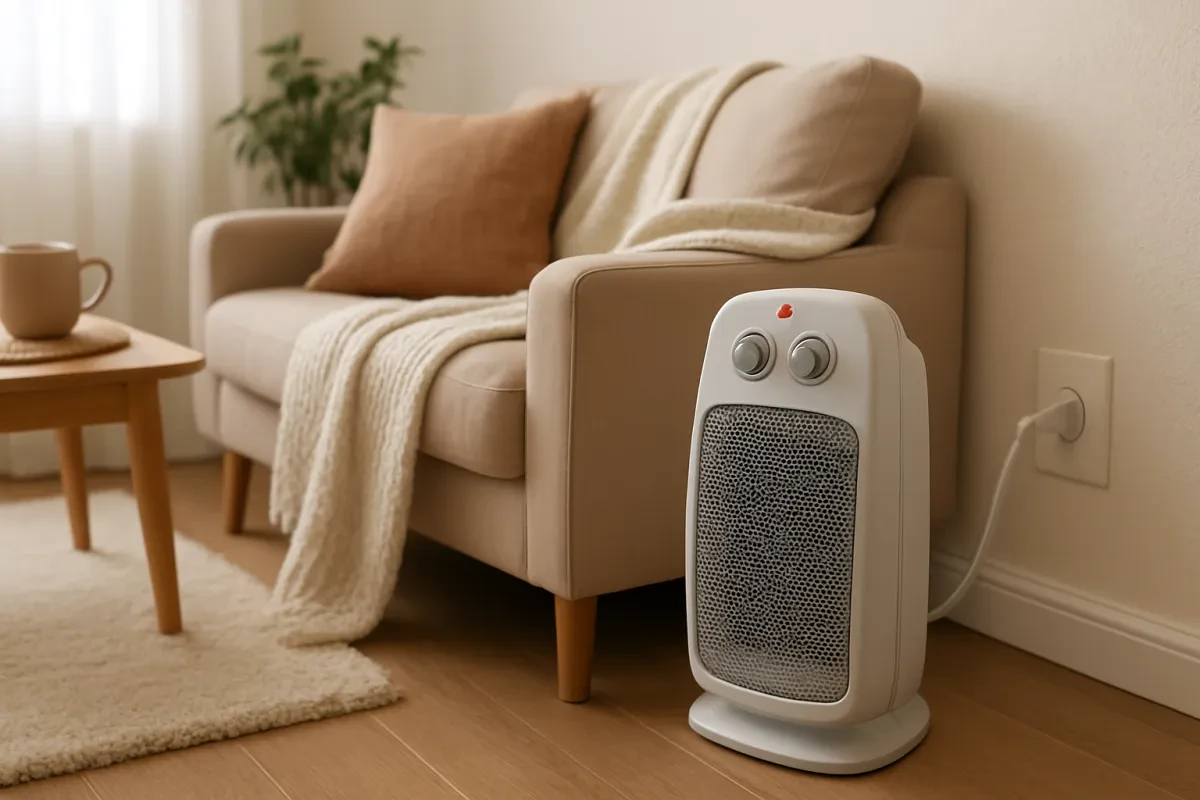
Placing heaters on stable, non-combustible surfaces
-
Maintaining clear space around the unit
-
Plugging directly into wall outlets rather than extension cords or power bars
-
Turning heaters off when rooms are unattended
These habits help keep space heaters within their intended role—temporary, localized comfort support.
Energy use and practical limits
Plug-in space heaters don’t create “cheap heat,” but they can support more intentional heating decisions.
They are often most effective when used alongside strategies such as:
-
Slightly lowering the main thermostat
-
Heating only rooms that are actively in use
-
Reducing discomfort caused by drafts or uneven temperatures
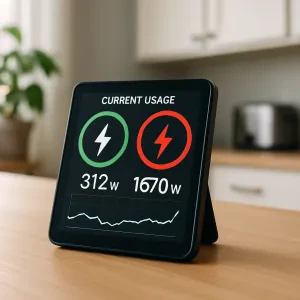
Running multiple heaters continuously, however, can increase electrical use quickly. Viewing space heaters as part of a broader comfort strategy helps keep energy expectations grounded.
Looking beyond temporary solutions
While portable heaters can improve comfort in the short term, they often point toward bigger questions worth considering when the season allows:
-
Why does one room lose heat faster than another?
-
Is insulation consistent throughout the home?
-
Are airflow and controls balanced properly?
-
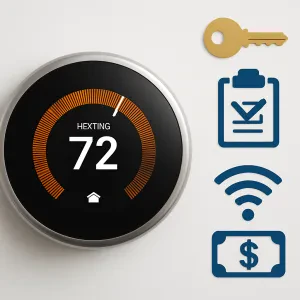
Would sealing, zoning, or smart controls reduce the need for supplemental heat?
These questions don’t require immediate answers. They simply help shift the focus from short-term fixes toward long-term comfort, safety, and efficiency.
A steady perspective
Plug-in space heaters serve a clear purpose. They help manage comfort during times when a home’s heating performance isn’t perfectly even—especially in winter.
Used thoughtfully, they provide relief without urgency.
Used carefully, they remain safe.
And understood in context, they become a starting point for learning how heating systems, insulation, and controls work together.
That broader understanding—rather than any single device—is what supports better decisions both now and in the future.
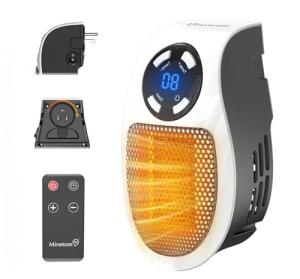
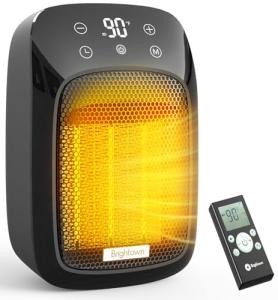
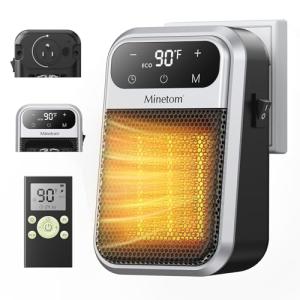
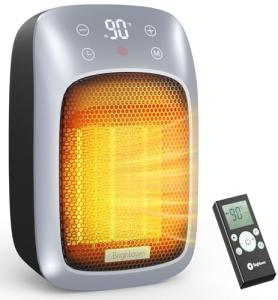
If you’re browsing heaters online, the examples below reflect the kinds of products commonly marketed for this purpose. Always verify certifications and suitability for your region before purchasing.